Sediment

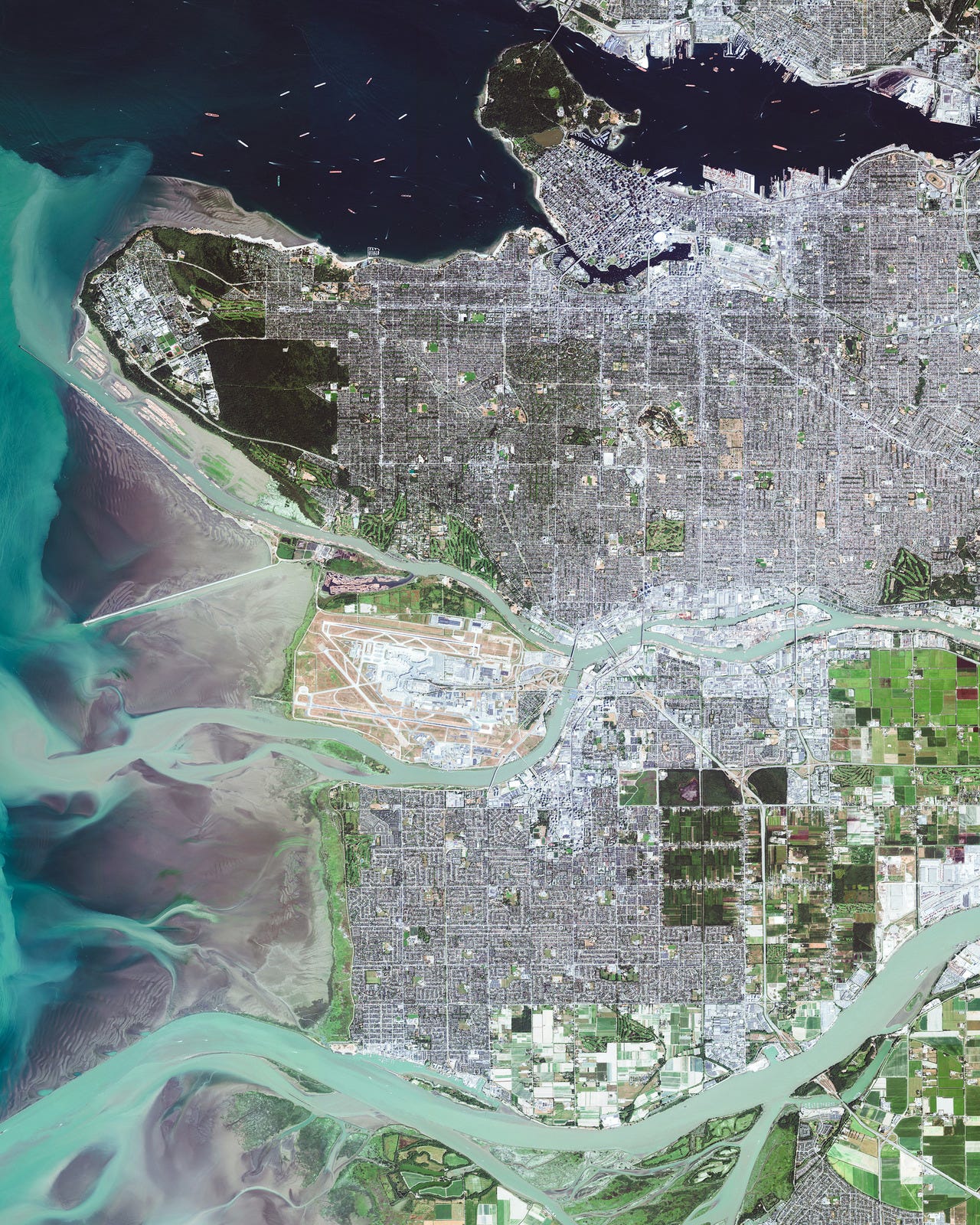
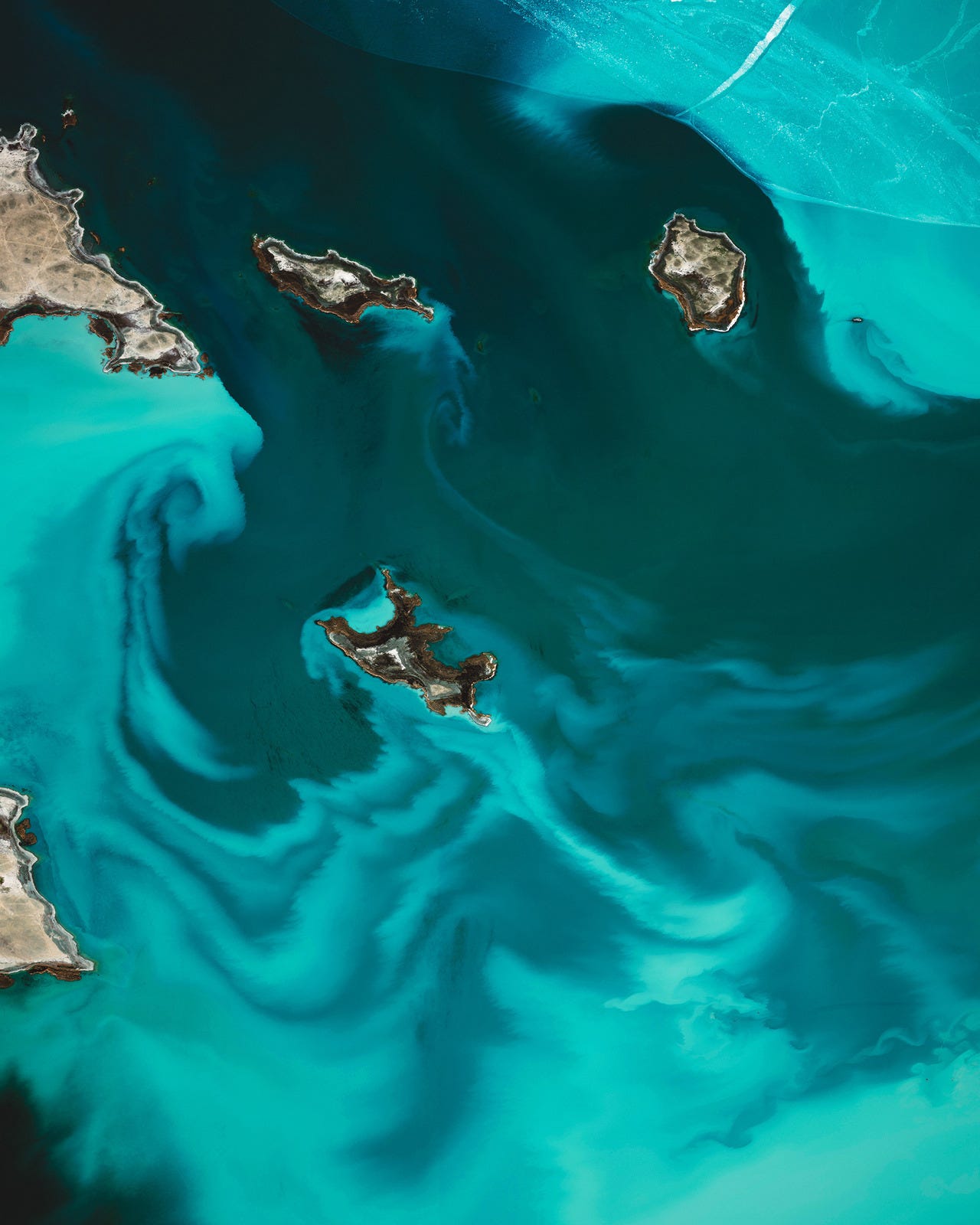
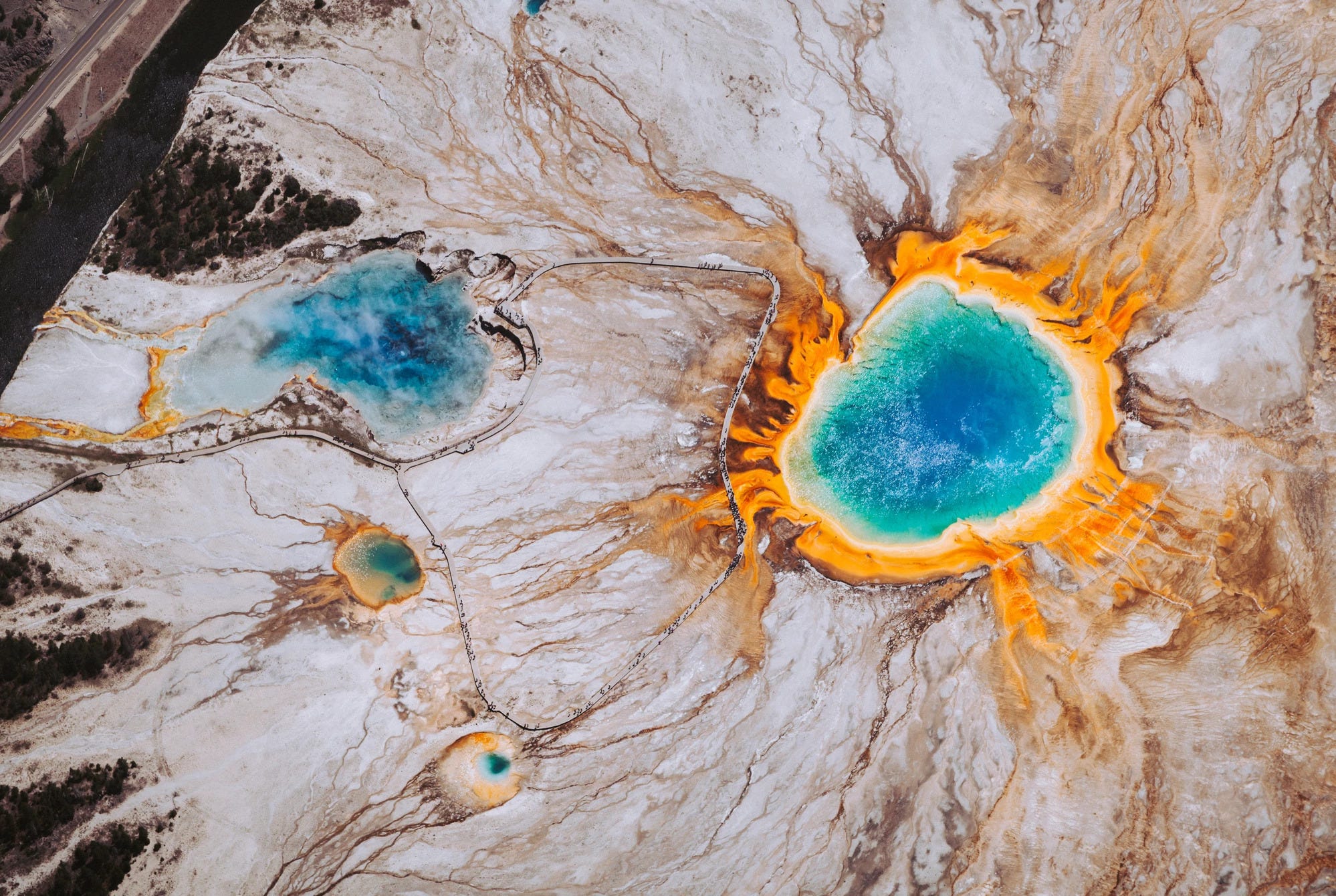
It is, apparently, a documented misconception that the city of Vancouver is located on Vancouver Island, when it is in fact located on the Burrard peninsula, bounded by the Fraser river to its south and the Burrard Inlet to its north. Vancouver Island does exist however — formed by an oceanic rift that resulted in a volcanic accretion that rammed into the western edge of the North America some time ago. Separating the island from the city is a body of water called the Strait of Georgia, in which over two hundred smaller islands (collectively known as the Gulf Islands), inhabit, and into which the Fraser river thrusts millions of tons of sediment each year. 1 (Fig. 1) While Vancouver Island’s material composition, as would be expected given its origin, contains volcanic rock, it is also composed of sedimentary rock, which is often formed from the accumulation of small, “pre- existing rocks or pieces of once living organisms” 2 via a unique mixture of sources and transport processes, both natural and artificial. In aggregate, over time, they become concretized and compacted into layers, or strata, in which time, and thus history, become archive. Geologists study them as a person would a history book, slicing them with a knife and inferring truth about the past to inevitably explain the present, and predict the future: a genealogy of sorts. Yet in its present space and time, sedimentation is active, fluid, energetic, violent, creative, and transient - more rhizome than binary root. Each particle, billions among billions, is shaped differently, composed of mixtures of both natural and artificial compounds, sourced from distances far and near, carried by ice, water, rain, wind and other means; some at such slow velocities they seem as if they are not moving at all, and others as fast as the wind or water can carry them. Many particles dissolve in this mad swirl, while others aggregate, succumb to gravity, and settle: forming new spaces, pockets and islands that become primordial grounds for creation, disruption, destruction, illusion and imagination (Fig. 2a, 2b). If a casual weekend geologist could witness this phenomenon, he or she may determine that the swirl looks rather angry, in the Bachelardian sense. 3
The notion of “sedimentation” is of course an already well traveled idea: most famously by Merleau-Ponty (and his sedimentary relatives: Husserl, Ricoeur, and so on). In his 1945 book, Phenomenology of Perception, Merleau-Ponty writes: “there is a ‘world of thoughts,’ a sedimentation of our mental operations, which allows us to count on our acquired concepts and judgments, just as we count upon the things that are there and that are given as a whole, without our having to repeat their synthesis at each moment.” 4 Likewise to the geologic example, it doesn’t seem that he limits sedimentation to a purely historical record: “...this word ‘sedimentation’ must not trick us: this contracted knowledge is not an inert mass at the foundation of our consciousness...my present thoughts are not an absolute acquisition; they feed off my present thought at each moment; they offer me a sense, but this is a sense that I reflect back to them.” 5 In Aylie Baker’s Wave Patterns, a geologic record exists for the Sesario navigator: “...a navigator’s movements are guided not only by the phenomenal world but also by a deep respect for the ancient, living agreements that exists between ocean peoples and all ocean life.” Yet, in the same breath, she writes of the navigator in his or her present moment at sea: “...the canoe is at the heart of the world and the navigator sits at the very center of everything, quietly observing the shifting skies and seas from a place of stillness. Stars wheel overhead, swells and winds emerge from the horizon, and the islands slowly glide toward, around, and away from the canoe. There is no forward or back. Navigation cues come from all directions and the navigator is present to the entire sphere of sea and sky.” 6 A navigator who is consciously and unconsciously composed of deeply layered sedimentary rock, being transported fluidly, violently, creatively by the currents of the sea, wind and sky.
Perhaps the nature of our being exists in this suspension between the strata of our history and the present moment and all of its entrances and exits that we are taken through, by our own “free will” or not. This suggestion is a sort of “both-and” existence: we are swimming in both the concrete, compacted sludge of our histories that have fossilized over time, and the present angry swirl. In the geologic context, this is observable. It is empirical truth. The delicate balance between violence, destruction, stress, displacement and creation, bio-diversification, regeneration can be simply understood as the natural order of the world. In the human context, however, this becomes rather problematic.
The first problem arises in the nature of the concrete sediment itself. Sedimentary rock is a compaction of sediment, a compositional artifact or photograph of a period of angry swirl: perhaps a hundred years, or a thousand years. Canonized within its structure are the remnants and monuments of a violent era of creation and destruction. However, what is not conveyed within the layers are the details: the currents, the speed, the “philosophy of the middle.” In other words, the concretized sediment lacks the full dataset. This problem is further compounded by the geologist, or the interpreter, who can only extract an even smaller dataset at a given time. The consequence, then, is an understanding of the world that can be severely compromised.
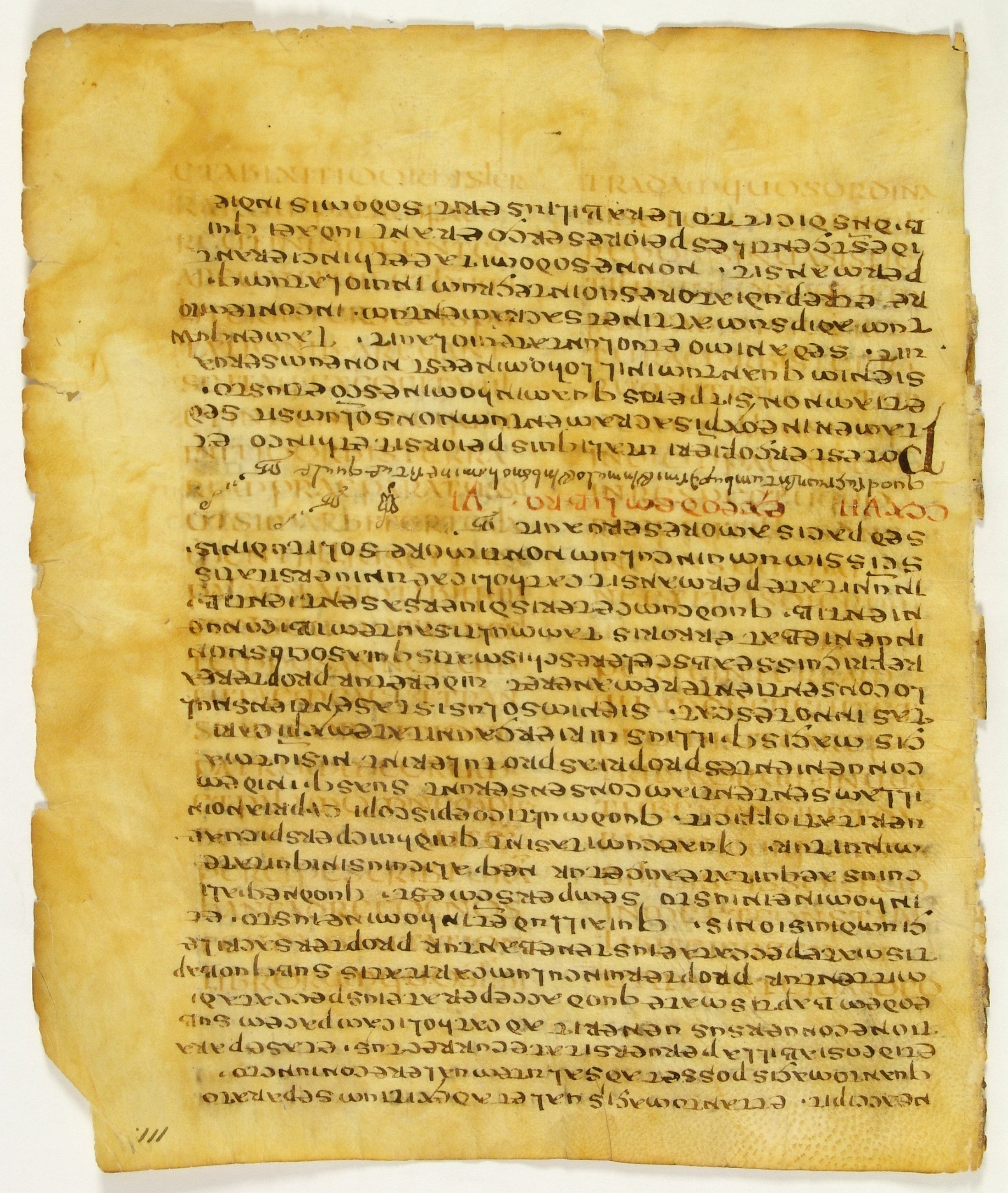
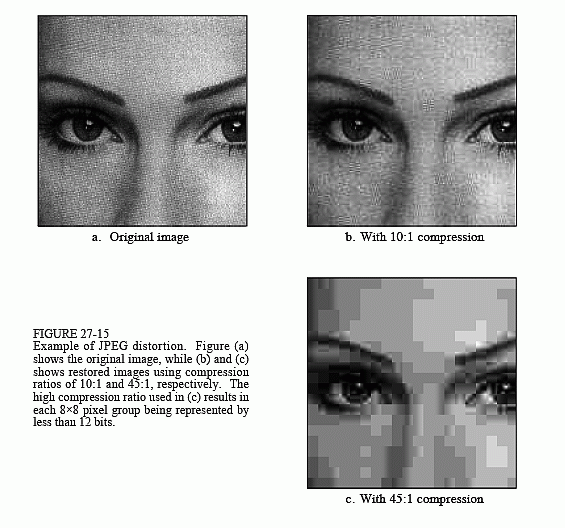
In the human context, both individually and collectively, the same problem arises. Our collective sediment history is an incredibly limited dataset, full of missing stories, context and understanding. Each community reads and writes its history for itself, omitting necessary context and details in order to create a foundation for a future generation. This block chain ledger, signed by each generation, creates a mosaic of mythologies, principles and values that build up structures to help subsequent generations to cope with the angry swirl. A conspiracy theorist would prefer to make the argument that there is a sinister plot afoot that spans generations. A more likely explanation would be simply a lack of computing power and memory, which results in the compaction of ideas — a need to write over a piece of paper because there is only one piece of paper. (Fig. 3) As any individual can relate, we require visual markers, taxonomies, memories, and constructed mediums such as language to help us catalog the human experience. The loss of data with each strata of our sediment results in degradations, or mythologies and imagination. These degradations become, over time, a way to read the sediment - a way to decode the compression of our collected knowledge. In image processing terms, we do not live in a “lossless” history, but rather a “compressed” one (Fig. 4) - one that requires imagination and guessing to fill in the holes, and thus our existence becomes a vibration between the real and the imaginary. Baker writes: “Hundreds of years of observing the planets, of striving to understand our place in the universe, of equations scribbled down and passed on to be elaborated over generations — all of that now gets compressed into the instruments that we use every day without a second thought. And the part of what feels so scary to me about witnessing the rise and application of GPS in my lifetime is that all those generations of learning are obscured, they’re hidden in code...even a map of home is a representation, a slice of space captured by the mind at a discrete point in time. It is always a fragment of the fabric of the universe...it is flat.” 7
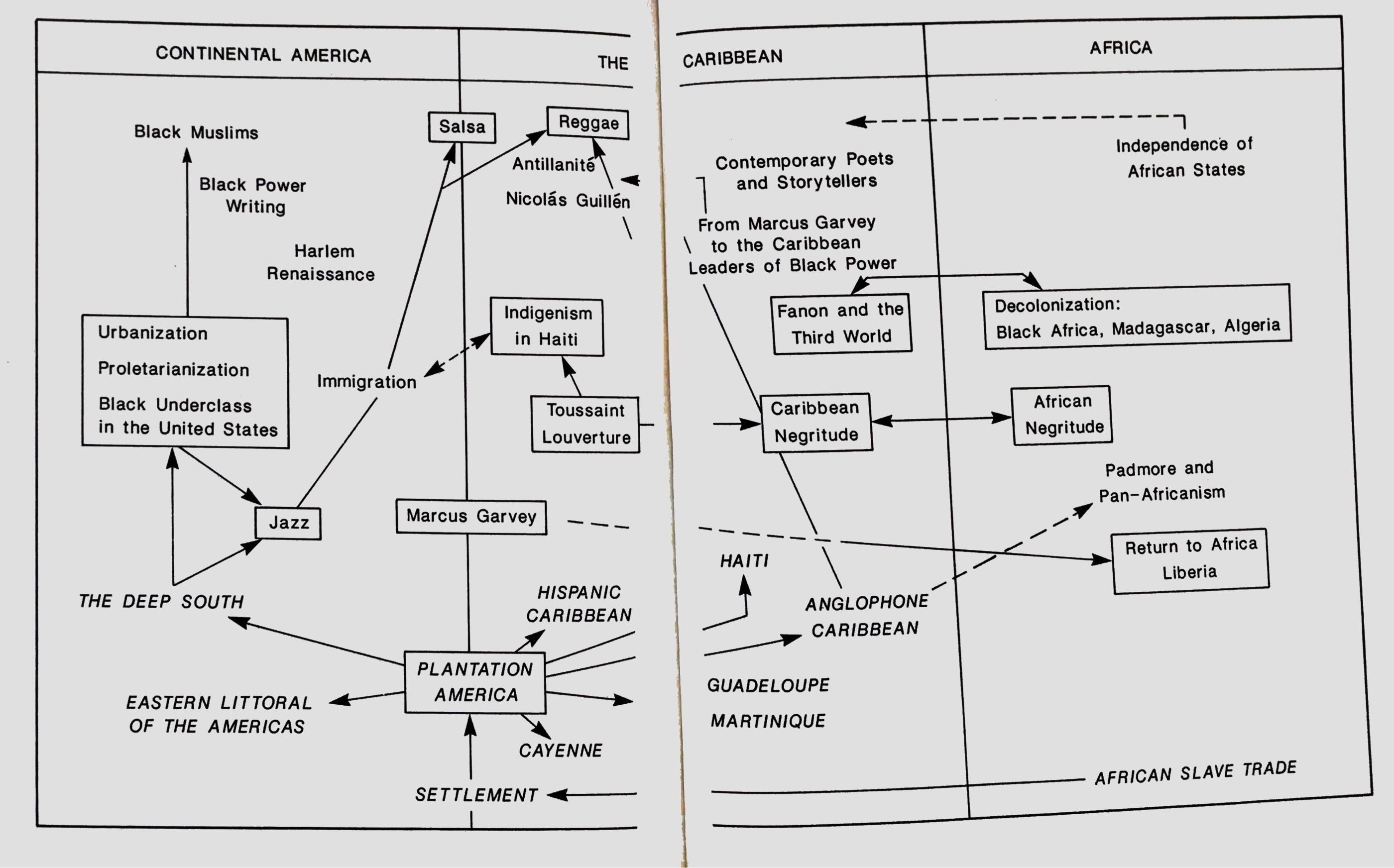
The second problem arises from the first. Natural sediment flow is fluid, active, stressful. In the geologic sense, it is within the edges of the sediment flow where evolutionary change occurs, where the transplantation of foreign composites and species form new geographies and geologies (eg. the microorganisms of the prismatic springs). In the human sense, the present forces, both natural and artificial, collide with our sedimentary history often with catastrophic results. In Poetics of Relation, Édouard Glissant echoed this sentiment: “...the hidden cause (the consequence) of both Myth and Epic is filiation, its work setting out upon the fixed linearity of time, always toward a projection, a project.” 8 He wrote of the abyss in describing the angry swirl that was the transatlantic slave trade: the sea as abyss, the slave boat as abyss, the “panic of the new land” and the “haunting of the former land” and “...finally the alliance with the imposed land, suffered and redeemed.” 9 Yet it is within this very real, very angry swirl, a velocity and flow that was imposed on the African by the compressed mythology of the European, that a sedimentary compression itself was birthed in the Caribbean (Fig. 5) In this we see the echoes of the natural geologic process of foreign sediment transported from distances afar to construct new firmament.
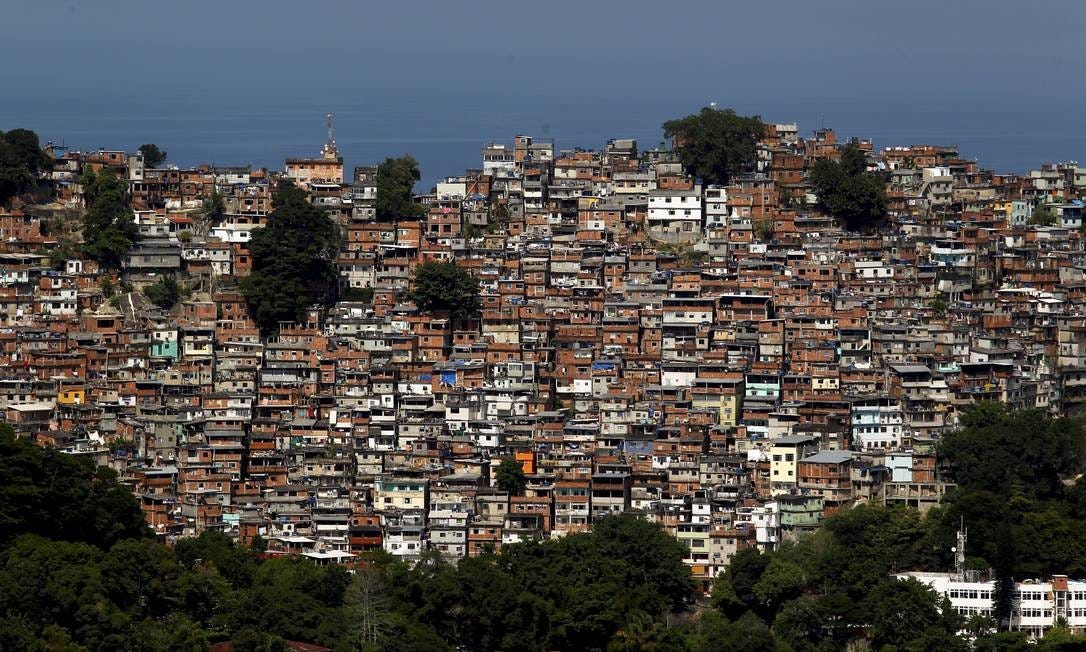
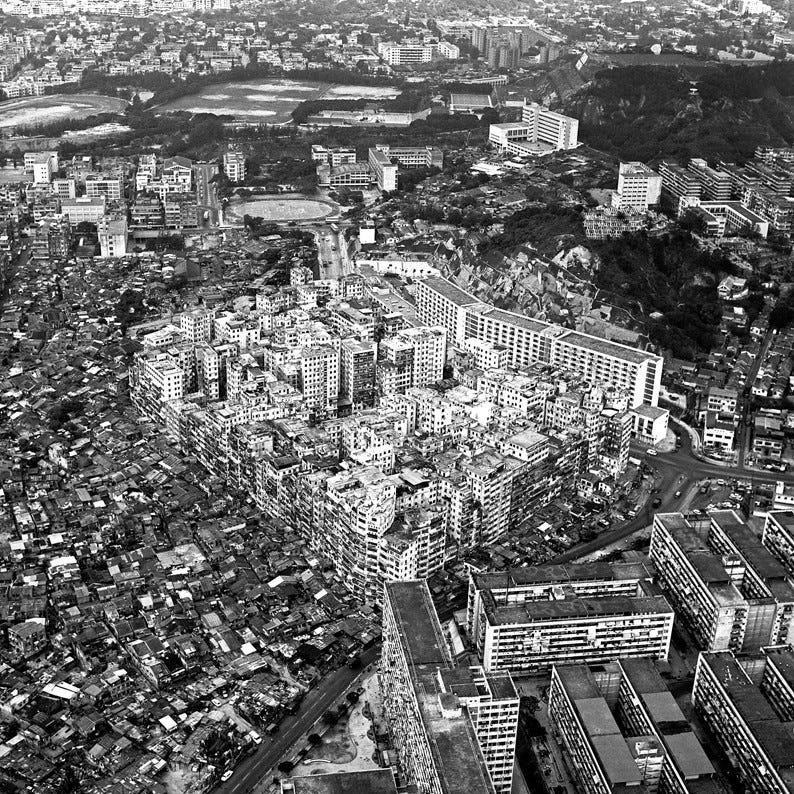
It is important to note that Glissant’s Caribbean is not an isolated example, but rather quite normative of human society. The stress forces that arise from this sedimentary soup of disparate mythologies, natural forces and patterns, created the hauntingly beautiful favelas of Rio (Figure 6) that literally take the layered visual of sediment layers, the massive Kowloon Walled City (Fig. 7) and the constructed geometry of Pruitt Igoe in St. Louis. (Fig. 8) Yet it is within these violently constructed spaces, where individual humans who have been transported by forces outside of their control, give birth to a rich biodiversity, life bursting at the seams: new ideas, new perspectives, and new creative expression. The migrant, immigrant, refugee – those living in the suspension of the angry swirl – are the most alive and generous of humanity.
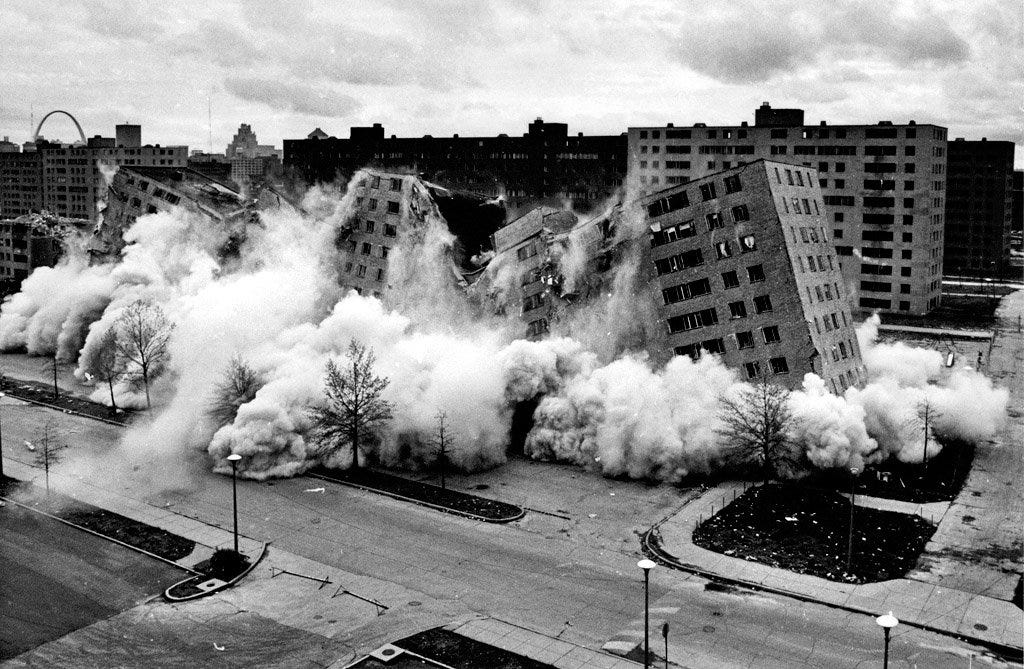
How then, should we navigate, if at all? The 20th century land-art pioneer, Robert Smithson, along with his contemporaries, Walter de Maria and Michael Heizer, offer a possible way forward.
In the September 1968 issue of Artforum, Smithson, in a feature entitled “A Sedimentation of the Mind” wrote: “The strata of the Earth is a jumbled museum. Embedded in the sediment is a text that contains limits and boundaries which evade the rational order, and social structures which confine art. In order to read the rocks we must become conscious of geologic time, and of the layers of prehistoric material that is entombed in the Earth’s crust. When one scans the ruined sites of prehistory one sees a heap of wrecked maps that upsets our present art historical limits. A rubble of logic confronts the viewer as he looks into the levels of the sedimentations. The abstract grids containing the raw matter are observed as something incomplete, broken and shattered.” In it he recounts a time where he visits a quarry in which he felt like he had “fallen into endless directions of steepness” as he “gaz[ed] on countless stratographic horizons.” He concludes: “How can one contain this ‘oceanic’ site? I have developed the Non-Site, which in a physical way contains the disruption of the site. The container is in a sense a fragment itself, something that could be called a three- dimensional map. Without appeal to “gestalts” or “anti-form,” it actually exists as a fragment of a greater fragmentation. It is a three dimensional perspective that has broken away from the whole, while containing the lack of its own containment. There are no mysteries in these vestiges, no traces of an end or a beginning.” 10
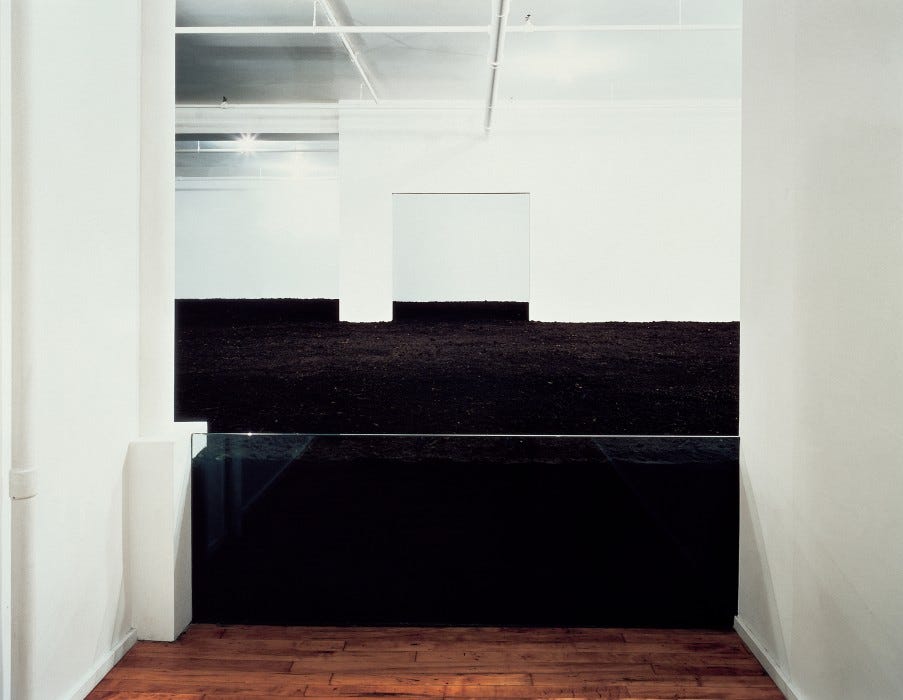
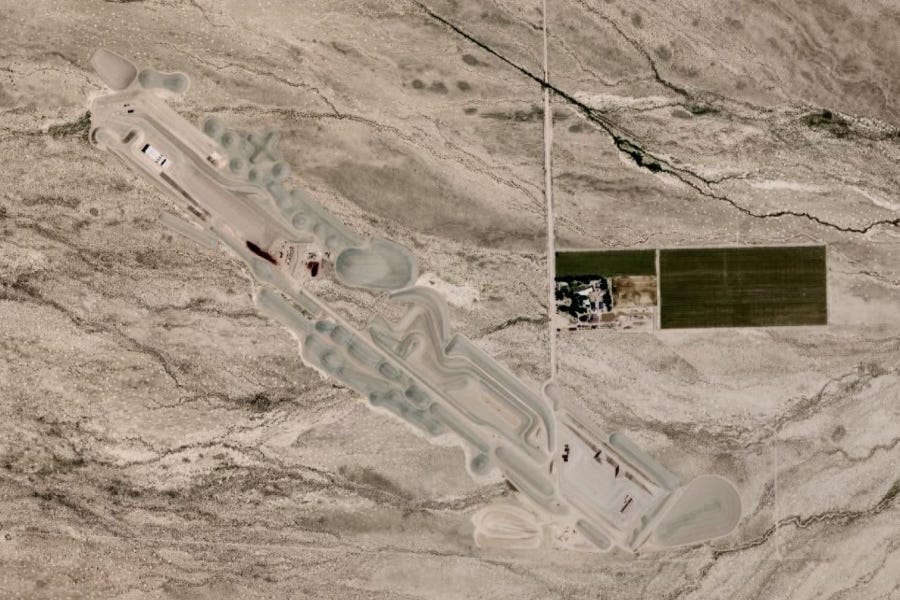
Smithson’s commentary on time is apropos. Walter de Maria shared a similar sentiment when describing the power of experiencing a piece of art over time. His “Earth Room,” located in New York City, is a testament to this. (Fig. 9). Michael Heizer’s “City” is still a work in progress after almost half a century. (Fig. 10) More recently, the American artist Mark Bradford, is set to open his first exhibition in London, entitled ‘Cerberus’ this October, in which he returns to ancient human mythology as subject matter, while bridging it to his tradition of bridging art and the community (Fig. 11)
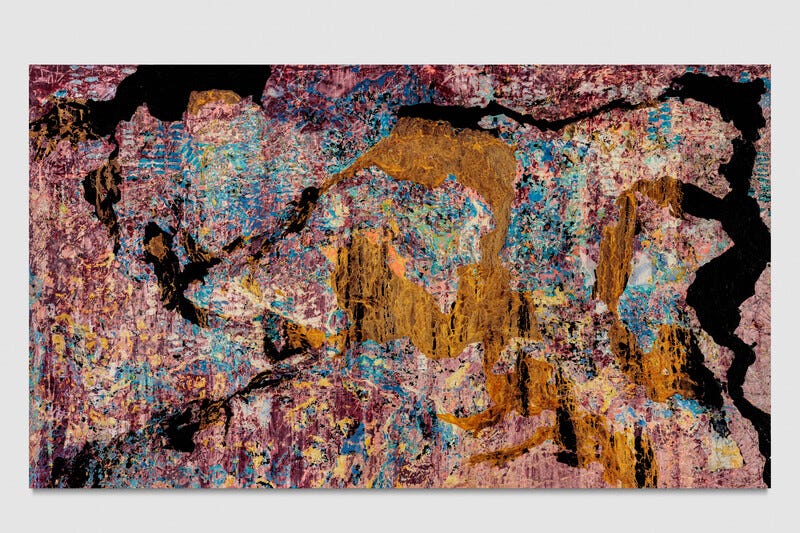
“‘Cerberus’ is an exhibition dedicated to places difficult and in- between, where conflicts arise, but also where the hope of resolution is to be found. Fundamental to these works is a process of layering. Just as the very fabric of each painting is formed from strata of pigmented paper which are scored, lacerated and stripped away, Bradford collides a multiplicity of references. The longer timeline of myth-making combines with events from more recent history and a trajectory of painting from the Hudson River School to Robert Rauschenberg via Asger Jorn...As Bradford explains, ‘I have always been interested in pulling the world that exists beyond the studio walls, and outside the art world, into the work.’ The titles ‘Cerberus’ and ‘Gatekeeper’ (2019) make metaphorical reference to notions of containment, of pressure building to an incendiary point, and also the idea of a border as a juncture or gathering place.” 11
We cannot change the fossilized and concretized sediments that are deposited in our history, but we can read it through the lens of time, understanding that all of it is merely fragments of fragments. We can accept them, respect them, then confront and challenge them. We can attempt to navigate the angry swirl with “generosity” as Sloterdijk suggests in Stress and Freedom, 12 not with surface level gestures, but rather with a long, patient, obedience.
Cannings, Richard and Sidney. British Columbia: A Natural History. p.41. Greystone Books. Vancouver. 1996
What are Sedimentary Rocks” US Geological Survey, USGS, https://www.usgs. gov/faqs/what-are-sedimentary-rocks-0
‘The imagination, for which the mill prepared the way, spreads out across the universe: these whirlwinds, says Blake, are “starry voids of night & the depths & caverns of earth.” ... We do not perceive the cosmogonic whirlwind, the creative tempest or the wind of anger and creation in their geometrical forms, but rather as sources of power. Nothing can stop the whirling motion. In dynamic imagination, everything becomes active; nothing comes to rest. Motion creates being; whirling air creates the stars; the cy produces images, speech, and thought. As by a provocation, the world is created through anger. Anger lys the foundations for dynamic being. Anger is the act by which being begins. However prudent an action may be and however insidious it promises to be, it must first cross over a small threshold of anger. Anger is the acid without which no impression will be etched on our being. It creates an active impression.’ Bachelard, Gaston. Air and Dreams: An Essay on the Imagination of Movement. p. 227. Dallas Institute Publications. Dallas, Texas. 1988.
Merleau-Ponty, Maurice. Phenomenology of Perception. p.131. Routledge, 2012, 2014. New York.
Merleau-Ponty, op. cit., p. 132
Baker, Aylie. “Wave Patterns” https://emergencemagazine.org/story/wave- patterns/
Baker, op. cit.
Glissant, Édouard. Poetics of Relation. p. 47. University of Michigan Press. Ann Arbor. 1997
Glissant, op. cit., p. 7
Smithson, Robert. “A Sedimentation of the Mind.” Artforum. Sept. 1968. pp 82- 91.
Hauser and Wirth, https://www.hauserwirth.com/hauser-wirth- exhibitions/25237-mark-bradford-cerberus
Sloterdijk, Peter. Stress and Freedom. pp. 54-55. Polity Press. Cambridge, UK 2016